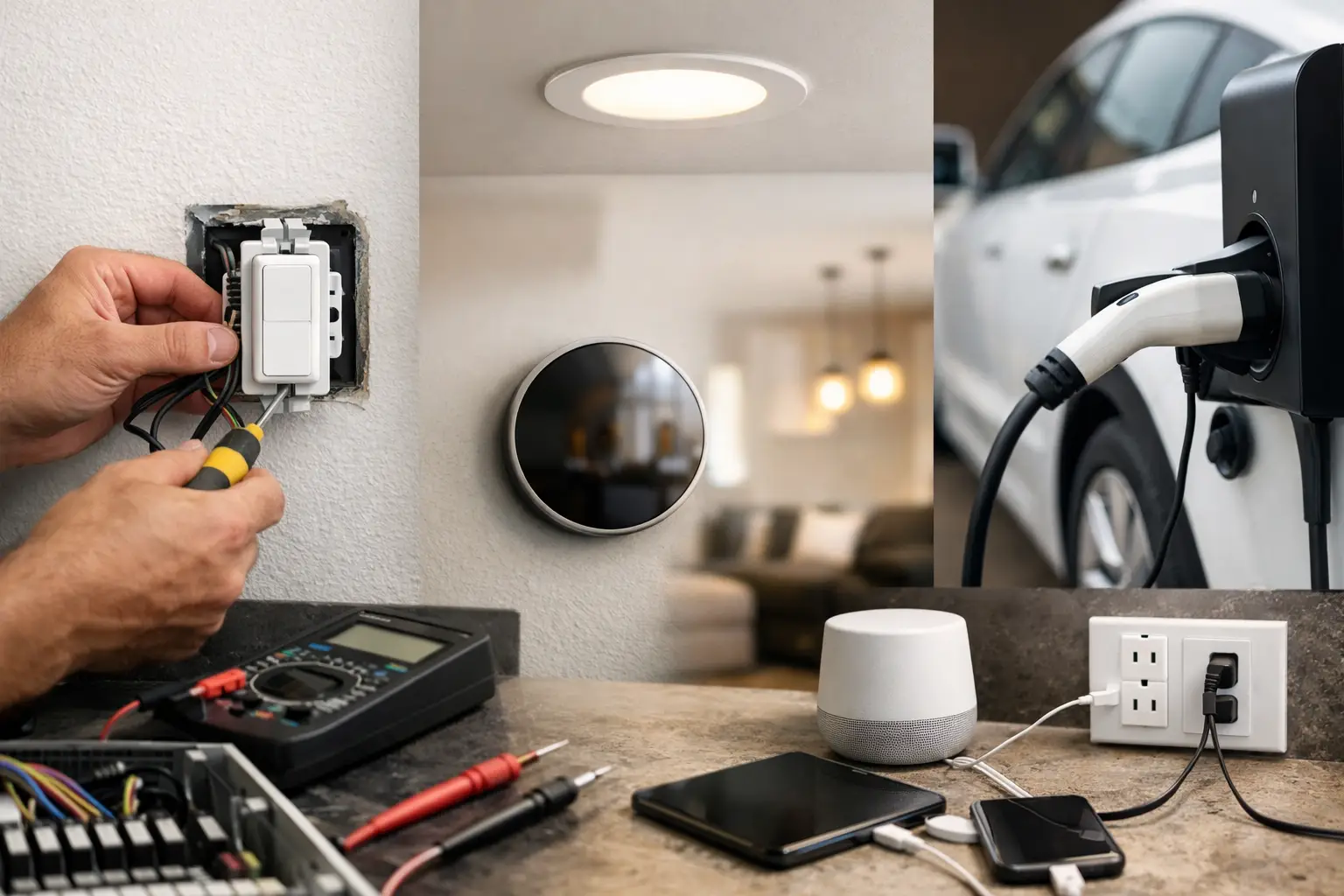

A home usually tells you when its electrical system is falling behind. Maybe breakers trip when the microwave and toaster run together. Maybe a remodeled kitchen still depends on too few outlets. Maybe the lights flicker, the panel is outdated, or you are adding devices the original wiring was never designed to handle. That is why the best electrical upgrades for homes are not just about convenience – they are about safety, performance, and making daily life easier.
In Las Vegas, where air conditioning, pool equipment, home offices, EV chargers, and outdoor lighting can all put pressure on a system, the right upgrades can make a noticeable difference. The key is knowing which improvements deliver real value and which ones depend on the age of the home, your goals, and your electrical capacity.
How to choose the best electrical upgrades for homes
The right starting point is not always the flashiest upgrade. In many houses, the smartest move is correcting the backbone of the system first. If your panel is outdated, your wiring is damaged, or circuits are overloaded, adding smart devices or new fixtures on top of those issues only creates bigger problems later.
A good upgrade plan usually balances three things: safety, current household demand, and future use. If you are planning a remodel, adding appliances, installing a hot tub, or preparing for an electric vehicle, that future load matters just as much as what the home uses today.
1. Electrical panel upgrades
If there is one improvement that often sits at the top of the list, it is the panel. An older panel may not have enough capacity for modern living, especially in homes that were built before today’s appliance loads, home electronics, and charging needs became standard.
A panel upgrade can help prevent nuisance tripping, support new dedicated circuits, and improve overall electrical safety. It also creates room for additions like EV chargers, upgraded HVAC equipment, or a workshop. This is not always the cheapest upgrade, but it is often one of the most practical if your current service is maxed out or outdated.
It depends, though. If your existing panel is in good condition and still has available capacity, a full replacement may not be necessary. In that case, targeted circuit work may be enough.
2. Dedicated circuits for major appliances
Homes work better when heavy-load appliances are on properly sized dedicated circuits. That includes things like refrigerators, microwaves, ovens, laundry equipment, garage tools, and HVAC components. It can also include home office equipment if you rely on stable power for work.
This upgrade is easy to overlook because it is not cosmetic, but it solves real problems. Shared circuits can lead to breaker trips, voltage drops, and wear on equipment. If you have ever had to think about which appliance can run at the same time as another, that is a sign your electrical layout may need attention.
Dedicated circuits are especially valuable during remodeling. Opening walls for a kitchen or laundry update is the right time to fix underlying electrical limitations instead of building around them.
3. Whole-home surge protection
Many people think surge protection starts and ends with a power strip. It does not. A whole-home surge protector helps defend your electrical system and connected devices from voltage spikes that can come from the utility side, storms, or large equipment cycling on and off.
With more electronics in homes now – smart TVs, routers, appliances with control boards, security systems, and smart home devices – surge protection makes more sense than ever. It is a relatively small upgrade compared with the potential cost of replacing damaged electronics.
That said, whole-home protection works best as part of a layered approach. Sensitive equipment may still benefit from point-of-use protection as well.
Best electrical upgrades for homes focused on safety
Some upgrades pay you back in comfort or resale appeal. Others earn their value by reducing risk. These are often the improvements homeowners postpone until there is a failure, but handling them early is usually the better move.
4. GFCI and AFCI protection
Ground fault and arc fault protection are now standard in many areas of the home for good reason. GFCI outlets help protect against shock in places where moisture is a factor, such as kitchens, bathrooms, garages, laundry rooms, and outdoor spaces. AFCI protection helps reduce fire risk from certain arcing conditions in branch circuits.
If your home is older, you may not have proper protection in all required or recommended areas. Upgrading these devices can be one of the most cost-effective safety improvements available. It is not glamorous, but it matters.
This is also a good example of why electrical work should be evaluated professionally. Sometimes replacing one receptacle is enough. In other situations, the issue points to outdated wiring, improper grounding, or panel limitations that need a broader fix.
5. Rewiring or correcting unsafe wiring
Not every home needs a full rewire, but some absolutely need portions of the system corrected. Warning signs include warm outlets, flickering lights, two-prong outlets, repeated breaker trips, buzzing sounds, or visible signs of aging or damaged wiring.
Older homes may have wiring methods or materials that no longer meet the demands of modern use. Even newer homes can have problem areas from past handyman work, poor remodels, or additions that were never planned correctly.
This kind of upgrade is less about adding features and more about removing risk. It can also improve reliability throughout the house. If you are investing in finishes, appliances, or technology, it makes sense to make sure the wiring behind the walls is ready to support it.
6. Smoke detector and carbon monoxide updates
Electrical safety is not just about wires and breakers. Hardwired smoke detectors with battery backup, and carbon monoxide detection where needed, are important upgrades in both older homes and remodeled spaces.
Interconnected devices are especially valuable because when one alarm sounds, the others sound too. That gives families more time to respond, especially in larger homes or homes with sleeping areas separated from living space.
If you are already doing electrical work in the home, this is often a smart addition to include rather than waiting for a separate project.
7. EV charger installation
As more homeowners switch to electric vehicles, charging at home is moving from luxury to standard need. A professionally installed Level 2 charger gives faster, more reliable charging than a basic wall outlet and can be tailored to your panel capacity and driving habits.
This is one of those upgrades where planning matters. Some homes can support a charger with minimal changes. Others may need a panel upgrade, load calculation, or circuit reconfiguration first. Installing a charger without accounting for the rest of the electrical system can create problems later.
For homeowners thinking ahead, adding EV readiness during a garage remodel or service change is often more efficient than revisiting the work later.
8. Smart home wiring and controls
Smart switches, dimmers, occupancy sensors, automated exterior lighting, video doorbells, and integrated control systems can improve convenience, security, and energy use. The best results come when the system is designed cleanly rather than pieced together over time.
For some households, simple lighting control is enough. For others, especially custom homes or higher-end remodels, structured smart home wiring creates a stronger long-term setup. The trade-off is cost and complexity. Not every home needs full automation, and not every homeowner wants another app to manage.
Still, smart electrical upgrades can be very worthwhile when they solve everyday issues, such as hard-to-reach switches, poorly lit exterior areas, or wasted energy from lights left on.
9. Lighting upgrades inside and out
Lighting changes are often the most visible electrical improvement because homeowners experience them immediately. Recessed lighting can modernize a room. Under-cabinet lighting makes kitchens more functional. Exterior lighting improves curb appeal, nighttime visibility, and security.
The best lighting plans do more than brighten a space. They layer task, ambient, and accent lighting so the home feels more comfortable and works better. Outdoor lighting also needs thoughtful placement. Too little lighting defeats the purpose, but too much can create glare and wasted energy.
This is one area where experienced installation makes a real difference. Fixture selection matters, but layout, switching, dimming, and wiring quality are what make the final result feel finished.
What matters most before you upgrade
Before choosing from the best electrical upgrades for homes, it helps to ask a few practical questions. Is the goal safety, resale, comfort, or capacity? Are you solving an immediate problem or preparing for future use? Are there signs of a deeper issue that should be addressed first?
A trustworthy electrical contractor should help you prioritize rather than oversell. Sometimes the right answer is a full service upgrade. Sometimes it is a few targeted corrections that improve performance without stretching the budget. Honest guidance matters because electrical work is not just another cosmetic project. It affects how safely and reliably your home functions every day.
For homeowners who want the job done right, working with a licensed, insured electrician with strong diagnostic experience is the safest path. Companies like RS Electric LLC build their reputation on that kind of practical, dependable work – not just installing what was requested, but identifying what the home actually needs.
The best upgrade is the one that fits your house, your load, and your plans for the next several years. When the electrical system is built to support how you really live, everything else in the home works better too.
Need a licensed electrician in Las Vegas?
RS Electric LLC handles electrical troubleshooting and repair for homes and businesses across Las Vegas, Henderson, North Las Vegas and Summerlin. Licensed, bonded & insured (NV C-2 #0078370), certified MBE, 4.9★ on Google. Se habla español.