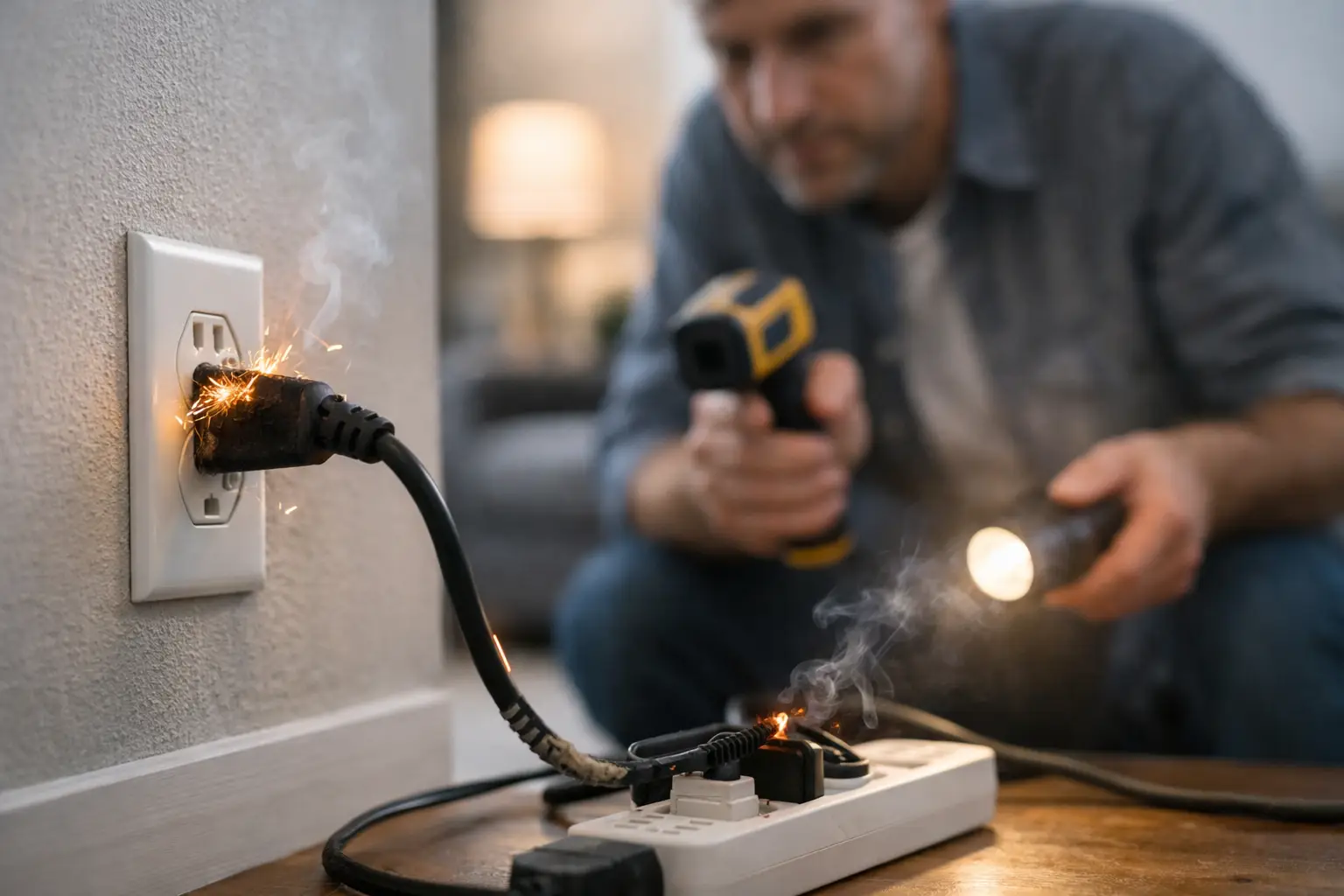

A warm outlet, a breaker that keeps tripping, or lights that flicker for no clear reason usually do not stay small problems for long. If you are wondering how to spot electrical hazards, the goal is not to diagnose every issue yourself. It is to recognize the warning signs early enough to protect your property, avoid downtime, and get the right repair before the problem becomes dangerous.
In homes and commercial spaces across Las Vegas, electrical trouble often starts quietly. A system may still “work” while wiring is overheating behind a wall, a damaged cord is exposing conductors, or an overloaded circuit is straining every time equipment turns on. That is why early detection matters. Good electrical safety is not about guessing. It is about noticing patterns, knowing what is normal, and taking unusual signs seriously.
How to spot electrical hazards before they get worse
Most electrical hazards give some kind of warning. The challenge is that people get used to them. A switch that sparks a little, a panel that hums, or an extension cord used permanently in place of proper wiring can start to feel normal over time. It is not.
One of the clearest signs is heat where there should not be heat. Outlets, switches, plugs, and electrical panels should not feel hot to the touch. Slight warmth from certain dimmers or chargers can happen, but noticeable heat, especially paired with a burning smell, is a red flag. Heat usually points to loose connections, overloaded circuits, failing devices, or deteriorated wiring.
Another common warning sign is repeated breaker trips. A breaker that trips once after a temporary overload may not mean much. A breaker that trips again and again is doing its job by interrupting an unsafe condition. Resetting it without addressing the cause can push a manageable repair into a serious hazard. The issue could be too much demand on one circuit, a short, a ground fault, or a failing breaker itself.
Lighting also tells a story. If lights flicker when an appliance starts, dim unexpectedly, or brighten and fade without explanation, the electrical system may be struggling with load balance, poor connections, or service issues. In a business setting, that kind of instability can affect equipment performance. In a home, it can signal hidden wiring problems that deserve inspection.
Common electrical hazard signs people overlook
Some hazards are more visible than others. Scorch marks around outlets or switches, discolored wall plates, buzzing sounds, and a persistent burnt odor should never be ignored. Those signs can indicate arcing, overheating, or insulation damage.
Damage to cords and plugs is another issue people tend to underestimate. Cracked insulation, bent prongs, taped repairs, and cords pinched under furniture all increase risk. Extension cords are especially misused. They are meant for temporary use, not as a permanent substitute for adding outlets or upgrading a circuit. In garages, offices, retail suites, and older homes, this is one of the most common hazards we see.
Then there is the problem of outdated or mismatched components. A property may have newer fixtures connected to older wiring, added equipment placed on circuits that were never designed for the extra load, or replacement devices installed incorrectly over the years. Not every older system is automatically unsafe, but age combined with modifications, wear, or poor workmanship often creates risk.
Areas where electrical hazards tend to show up
Kitchens, bathrooms, garages, laundry rooms, and outdoor spaces deserve extra attention because they combine electricity with moisture, heat, or heavier equipment use. In these areas, missing or nonfunctioning GFCI protection can be a serious issue. If outlets near sinks, laundry appliances, or outdoor locations do not have proper protection, a relatively minor fault can become dangerous fast.
Electrical panels are another key area. You do not need to open the panel to notice problems. Rust around the panel, a hot cover, crackling sounds, frequent tripping, or signs of past melting around breakers all call for professional evaluation. For commercial tenants and property managers, panel capacity matters too. A space that has changed use over time may be drawing more power than the original setup was meant to handle.
Attics, crawl spaces, and utility areas also deserve attention, especially during remodels or after pest activity. Damaged insulation, exposed splices, unsupported wiring, and rodent-chewed conductors can sit unnoticed for a long time. These are not cosmetic issues. They are safety issues.
How to spot electrical hazards after a remodel or tenant improvement
New construction and renovations should improve performance, not introduce uncertainty. Still, electrical problems sometimes show up after work is complete, especially if multiple trades were involved or if the installation was rushed.
Watch for switches that do not control what you expect, outlets that are loose in the wall, fixtures that buzz, and breakers that start tripping after new equipment or lighting is added. If a room was upgraded but the service or circuit planning did not keep up, the system may be under more stress than it appears.
For property owners and managers, this is where documentation and licensed work matter. Electrical work should not leave behind guesswork. If something feels off after a remodel, trust that instinct and have it checked before tenants move in or equipment is installed.
When an electrical issue is urgent
Some warning signs call for same-day action. If you smell burning, see smoke, hear crackling inside walls or devices, or notice sparking that is more than a tiny static snap, turn off power to the affected area if it is safe to do so. Do not keep using the outlet, switch, or appliance to “see if it happens again.”
The same goes for water exposure. If an outlet, panel, or electrical device has been affected by leaks, flooding, or irrigation overspray, it should be inspected before being used. Water changes everything with electricity. What looks dry on the surface may not be safe inside.
Power loss affecting only part of a building can also signal a larger issue, particularly if some lights work, some do not, or outlets stop working without a clear breaker trip. That can point to a failing connection, damaged wiring, or service-side trouble.
What you can check safely and what to leave to a pro
There is a practical line between awareness and electrical work. It is reasonable to look for obvious signs like discoloration, damaged cords, warm outlets, or repeated breaker trips. It is also reasonable to test GFCI outlets using the test and reset buttons and to pay attention to when symptoms occur.
What you should not do is remove panel covers, open up outlets, replace breakers without understanding the system, or ignore a problem because the power came back on. Electrical issues can be intermittent before they become severe. Intermittent does not mean harmless.
A licensed electrician can test loads, inspect connections, evaluate panel condition, verify code compliance, and determine whether the issue is isolated or part of a larger system problem. That matters because the right fix depends on the real cause. A tripping breaker might mean overload, but it could also mean a short or deteriorated wiring. The repair is not one-size-fits-all.
A practical mindset for safer homes and businesses
If you want a straightforward approach to how to spot electrical hazards, think in terms of change. Anything electrical that suddenly becomes hot, noisy, loose, unreliable, or inconsistent deserves attention. Systems that worked normally before do not start acting differently for no reason.
This is especially true in Las Vegas, where heavy cooling demand, property upgrades, and mixed-use spaces can put real pressure on electrical systems. Older homes, tenant improvements, custom additions, and added smart technology all change load patterns. That does not mean problems are unavoidable. It means safety depends on matching the system to the way the property is actually used.
At RS Electric LLC, we believe electrical service should feel clear, honest, and dependable. If something in your home or commercial space does not seem right, you do not need to wait for a total failure to take it seriously. Catching the warning signs early is often the simplest way to protect your investment, your schedule, and the people who rely on that space every day.
The best time to address an electrical hazard is when it still looks small.
Need a licensed electrician in Las Vegas?
RS Electric LLC handles electrical troubleshooting and repair for homes and businesses across Las Vegas, Henderson, North Las Vegas and Summerlin. Licensed, bonded & insured (NV C-2 #0078370), certified MBE, 4.9★ on Google. Se habla español.