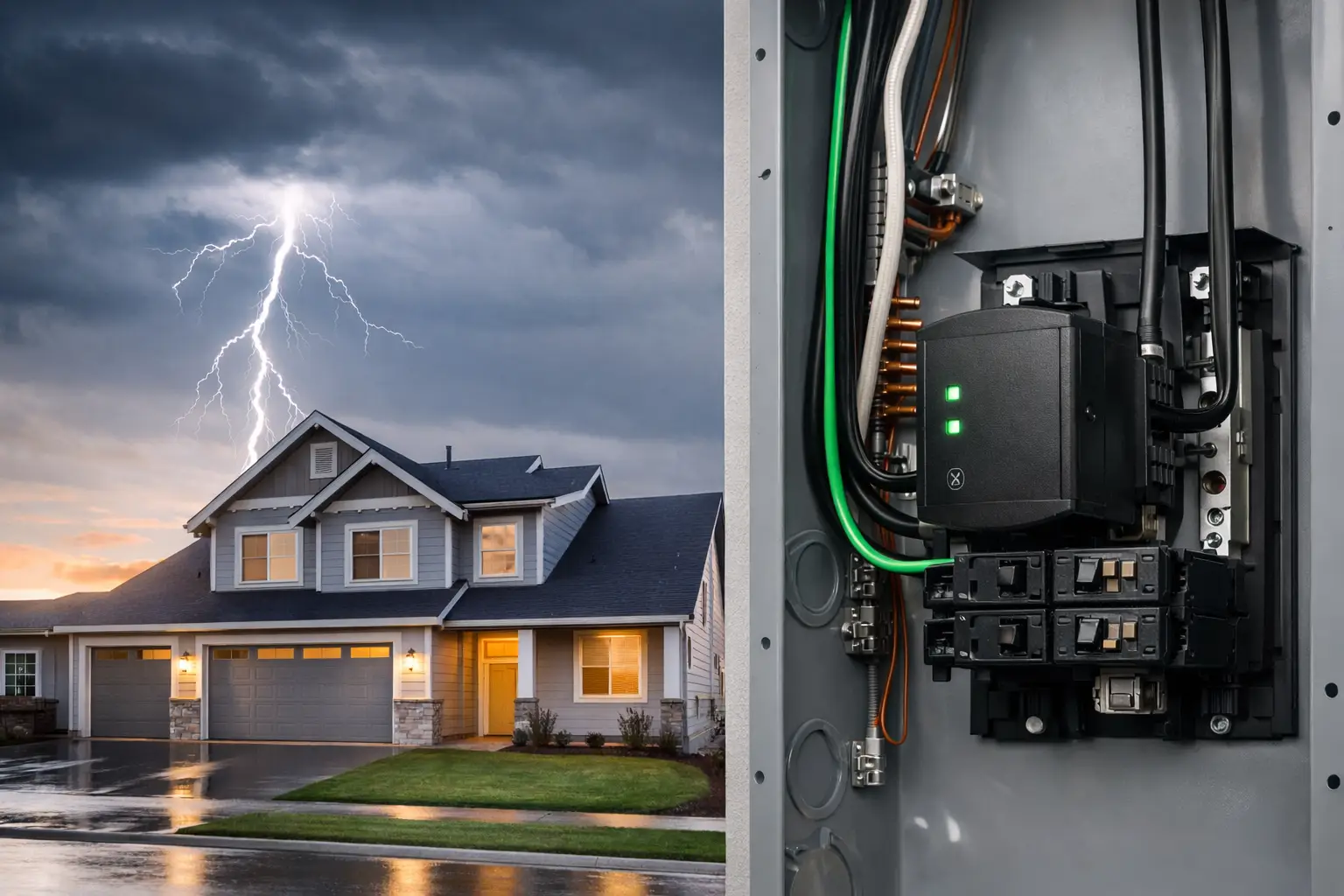

A power surge does not have to be dramatic to cause damage. Sometimes it is one strong event after a storm or utility issue. More often, it is a series of smaller spikes that slowly wear down electronics, appliances, HVAC equipment, and smart home devices. If you have asked, do I need whole house surge protection, the honest answer is that many homeowners do – especially if they rely on expensive electrical systems every day.
Do I Need Whole House Surge Protection in a Modern Home?
In most cases, yes. A whole house surge protector is a practical upgrade for homes with newer appliances, sensitive electronics, or upgraded electrical panels. It is designed to help stop excess voltage before it moves deeper into your electrical system and reaches the equipment you use every day.
A lot of people assume surge protection is only for computers and TVs. That used to be closer to the truth. Today, homes are packed with electronics that are far more sensitive than many homeowners realize. Refrigerators have control boards. Washing machines and dryers have digital components. Garage door openers, microwaves, tankless water heaters, security systems, LED lighting, and HVAC systems all contain circuitry that can be damaged by power fluctuations.
If your home depends on that equipment, surge protection is not a luxury item. It is part of protecting the investment you have already made in the property.
What a Whole House Surge Protector Actually Does
A whole house surge protector is typically installed at the electrical panel. Its job is to intercept excess voltage and divert it safely, reducing the amount of damaging energy that reaches branch circuits and connected devices.
That does not mean it creates an impenetrable shield against every electrical event. No device can promise that. The real benefit is risk reduction. It helps protect against utility switching surges, nearby lightning activity, internal surges caused by large appliances cycling on and off, and other everyday voltage spikes that can shorten the lifespan of equipment.
This is why panel-level surge protection is often recommended alongside point-of-use protection, like surge strips for especially sensitive electronics. One protects the home broadly. The other adds a second layer where it matters most.
Why Surges Happen More Often Than People Think
Many homeowners picture a lightning strike when they hear the word surge. Lightning can absolutely create major surge events, but it is not the only cause, and in some areas it is not even the most common one.
Utility grid switching, power restoration after an outage, damaged lines, transformer issues, and the operation of large motors can all create voltage spikes. Inside the home, air conditioners, refrigerators, and other heavy-load equipment can contribute to smaller repeated surges over time.
In Las Vegas, heat adds another layer to the conversation. When cooling systems are working hard for long stretches and the electrical demand is high, your home’s electrical equipment is under more stress. That does not automatically mean something will fail, but it does mean protecting valuable systems makes a lot of sense.
Signs You May Need Whole House Surge Protection
If you are wondering whether this upgrade is worth it for your property, start by looking at what is already connected to your electrical system.
You are a strong candidate for whole house surge protection if you have a newer HVAC system, smart thermostats, security cameras, a home office, gaming equipment, EV charging, or kitchen and laundry appliances with digital controls. The same is true if you have experienced flickering lights, recent outages, panel upgrades, or unexplained failures in electronics and appliances.
Older homes can also benefit, especially if the electrical system has been partially updated over time. A house may have newer devices connected to wiring or panel equipment that was not originally designed for today’s electrical demands. In those cases, surge protection can be part of a smarter overall safety and performance plan.
When the Answer Might Be It Depends
Not every home faces the same level of risk, and it is fair to say there are situations where the urgency is lower.
If you live very simply, have minimal electronics, and are not concerned about replacing occasional devices, you may decide to rely only on plug-in surge strips for a while. That is a choice some homeowners make. But even then, the bigger issue is often not the television or laptop. It is the expensive equipment you do not unplug – your air conditioner, refrigerator, oven, garage system, or electrical panel-connected devices.
The question is less about whether surges can happen and more about how much you stand to lose if one does.
Whole House Surge Protection vs. Power Strips
This is where confusion comes up a lot. A standard power strip is not the same thing as a surge protector, and even a quality surge strip does not replace a whole house device.
A whole house surge protector is installed by a licensed electrician at the service panel. It protects circuits throughout the home and helps reduce the impact of incoming voltage spikes before they spread. A surge strip protects only the devices plugged into it, and its level of protection depends heavily on its quality and condition.
The best setup is often both. Use whole house protection as the first line of defense, then add point-of-use surge protection for especially sensitive or high-value equipment.
What It Does Not Protect Against
This is one of the most important parts of the conversation because honest electrical advice matters.
Whole house surge protection does not fix poor wiring, bad grounding, overloaded circuits, or an outdated panel. If those issues exist, they need to be corrected directly. A surge protector also has limits when faced with extreme events. It helps reduce damage risk, but it is not a guarantee that every device will survive every electrical incident.
That is why proper installation matters. The device needs to be matched to the panel, installed correctly, and supported by a healthy electrical system. If your panel has aging components or code issues, those should be addressed at the same time.
Is It Worth the Cost?
For many property owners, yes. Replacing one control board in an HVAC system, one refrigerator motherboard, or a few damaged electronics can easily cost more than installing a quality whole house surge protector. And that does not include inconvenience, downtime, or the frustration of troubleshooting problems that may not show up right away.
There is also the long-term value. Small surges may not destroy equipment instantly, but they can shorten its useful life. That means you may end up replacing expensive systems sooner than expected without realizing electrical stress played a role.
For landlords, property managers, and business owners, the value is even clearer. Protecting systems helps reduce emergency calls, tenant disruption, and avoidable repair costs.
How Installation Should Be Handled
This is not a DIY shortcut project. Whole house surge protection involves working at the main electrical panel, and that work should be done by a licensed electrician who can evaluate the panel, grounding, and overall system condition.
A proper installation starts with confirming that the existing panel can support the device and that no larger safety issues are being overlooked. If needed, an electrician may recommend panel improvements, grounding corrections, or related updates so the surge protector can do its job effectively.
For homeowners in Las Vegas, working with a contractor who understands local electrical demands and responds quickly matters. RS Electric LLC handles electrical upgrades with that approach – clear recommendations, fair pricing, and work done the right way.
Do I Need Whole House Surge Protection If I Already Had an Outage?
Yes, and in some cases the need becomes more obvious after outage-related problems. Power coming back on can create conditions that stress electronics and appliances, especially if there are repeated interruptions or unstable utility conditions.
If you have already experienced damaged devices, tripped breakers after an outage, or strange behavior from appliances, it is a smart time to have your system inspected. The surge protector may be part of the solution, but so might panel service, troubleshooting, or targeted repairs.
Electrical protection works best when it is proactive. Waiting until after something expensive fails usually costs more.
The better question may not be do I need whole house surge protection, but how much of my home am I comfortable leaving exposed. If your house runs on modern appliances, electronics, cooling equipment, and connected devices, adding that layer of protection is usually a sensible move – and often a far cheaper one than dealing with preventable damage later.
Need a licensed electrician in Las Vegas?
RS Electric LLC handles panel upgrades for homes and businesses across Las Vegas, Henderson, North Las Vegas and Summerlin. Licensed, bonded & insured (NV C-2 #0078370), certified MBE, 4.9★ on Google. Se habla español.