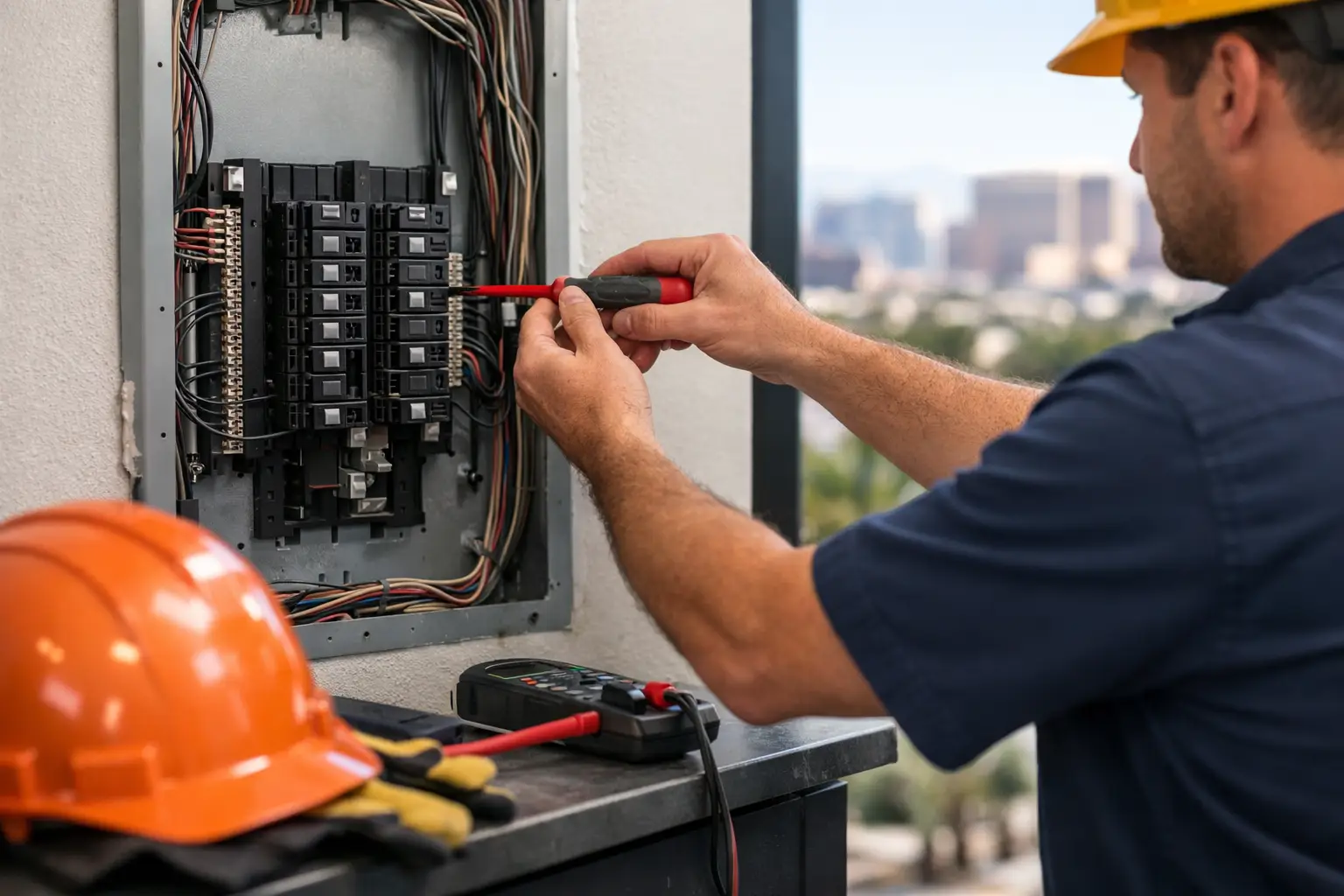

If your breakers trip when the AC kicks on, the lights flicker during normal use, or your remodel plans include new appliances, an electrical panel upgrade Las Vegas property owners often need may already be overdue. In a city where extreme heat pushes HVAC systems hard and many homes mix older wiring with newer electrical demands, the panel matters more than most people realize. It is the control center for safety, capacity, and reliable daily use.
A lot of customers first think about the panel only after a problem shows up. That is understandable. The panel sits quietly on the wall until something starts failing, expanding, or slowing down a project. But waiting too long can create bigger issues, especially if you are adding a hot tub, EV charger, workshop equipment, upgraded kitchen circuits, or tenant improvements in a commercial space.
When an electrical panel upgrade in Las Vegas makes sense
Not every property needs a full upgrade right away. Sometimes the right fix is a targeted repair, a subpanel, or circuit redistribution. Other times, the existing panel is simply undersized, outdated, or no longer safe for the way the building is being used.
One of the clearest signs is frequent breaker tripping. A breaker that trips once in a while may be doing its job. A breaker that trips repeatedly under normal use usually means the load is pushing the system too hard or there is a deeper issue that needs diagnosis. Warm panel surfaces, burning smells, buzzing sounds, corrosion, or visible damage are stronger warning signs and should be checked promptly.
Age also matters. Many older homes in Las Vegas were not designed for modern electrical habits. Years ago, fewer large appliances ran at the same time, and nobody was planning for home offices, multiple TVs, garage freezers, EV charging, smart home devices, and upgraded air conditioning equipment. What worked then may be stretched too thin now.
For commercial properties, the trigger is often different. A tenant improvement, equipment change, expansion, or code-related correction can expose panel limitations quickly. In those cases, the issue is not just convenience. It can affect inspection timelines, occupancy, and overall project momentum.
Why panel capacity matters more in Las Vegas
Las Vegas homes and businesses ask a lot from electrical systems. Long cooling seasons mean HVAC equipment runs hard. Pool systems, landscape lighting, detached structures, security systems, and kitchen upgrades add more load. In commercial settings, signage, office equipment, refrigeration, and specialized machinery can all increase demand.
That does not mean every building needs the biggest panel available. It means the panel should match actual use, future plans, and code requirements. A panel that is too small creates nuisance tripping and limits your options. A properly sized panel gives you room to operate safely and expand without patchwork fixes.
This is where honest evaluation matters. Some properties need a simple service change from 100 amps to 200 amps. Others may need a full replacement because the panel brand is known for reliability concerns, the bus bar is damaged, or the system no longer supports the building safely. The right answer depends on the condition of the equipment and what the property needs next.
What happens during an electrical panel upgrade Las Vegas project
A professional panel upgrade starts with a site evaluation, not guesswork. The contractor looks at the existing panel, service size, grounding, wiring condition, load demands, and any planned additions. This helps determine whether the job is a straightforward replacement or part of a larger correction.
From there, the scope is defined clearly. That may include replacing the panel, upgrading the service entrance equipment, correcting improper wiring, labeling circuits, adding breakers, improving grounding and bonding, or coordinating with the utility if the service needs to be disconnected and re-energized.
Permits and inspections are usually part of the process. That is a good thing. Electrical work should be documented and completed to code, especially when it affects the main service. A licensed and insured contractor helps reduce the risk of shortcuts, failed inspections, and costly rework later.
On installation day, power is typically shut off for a period of time. The exact duration depends on the job complexity, utility coordination, and whether hidden issues are found once the work begins. A clean upgrade is organized, efficient, and planned to minimize downtime. Good communication matters here because customers want to know what is happening, how long it will take, and whether anything unexpected was discovered.
How much does a panel upgrade cost?
This is one of the first questions people ask, and the honest answer is that cost varies. A basic panel replacement is different from a service upgrade, and both are different from a job that also requires meter work, grounding corrections, wiring repairs, or major load additions.
The size of the panel, permit requirements, equipment brand, accessibility, and existing system condition all affect price. So does the property type. A single-family home may be more straightforward than a commercial tenant space with special equipment or scheduling constraints.
The cheapest quote is not always the best value. When the main electrical service is involved, pricing should reflect licensed work, proper materials, permit handling, inspection readiness, and workmanship that will hold up long term. A fair quote should be clear about what is included and what could change if hidden damage or code issues are uncovered.
Repair or replace? It depends on the panel
Some customers hope a few small fixes will avoid a full upgrade. In certain situations, that is reasonable. If the panel itself is sound and the issue is limited to a breaker, a loose connection, or circuit balancing, repair may be enough.
But there are cases where replacing the panel is the safer and smarter move. If the panel is obsolete, physically deteriorated, overloaded, or tied to known product concerns, putting money into piecemeal repairs can become expensive without solving the real problem. The same is true if you already know a remodel, addition, or equipment upgrade is coming soon. It often makes more sense to complete the panel work first instead of stacking temporary fixes.
A good electrician should explain the trade-off clearly. Repair is less disruptive up front, but replacement may provide better capacity, safety, and future flexibility. The decision should be based on facts, not pressure.
Choosing the right contractor for a panel upgrade
This is not a job to hand to an unlicensed handyman or the lowest number on a quick online estimate. The main panel affects the entire property, and errors can create serious safety risks. You want a contractor who works cleanly, communicates clearly, understands local requirements, and can troubleshoot beyond the obvious.
Ask practical questions. Is the company licensed and insured? Do they regularly handle service changes and panel upgrades? Will they pull permits and coordinate inspection requirements? Can they explain whether the issue is load capacity, equipment failure, code compliance, or a combination of those factors?
Professionalism shows up in the details. Clear scheduling, straightforward pricing, respect for the property, accurate diagnosis, and dependable follow-through usually tell you more than sales language ever will. For Las Vegas property owners, local experience also helps. Heat, building age, remodel patterns, and utility coordination all affect how these jobs go.
Planning ahead saves money and stress
The best time to think about a panel upgrade is often before the emergency. If you are remodeling a kitchen, converting a garage, adding a casita, installing an EV charger, or preparing a commercial buildout, it makes sense to evaluate the electrical panel early. That helps prevent permit surprises, overloaded circuits, and project delays after walls are already open.
The same is true when buying or managing property. If the panel is old, poorly labeled, visibly worn, or already maxed out, an early assessment can save time and avoid future service interruptions. In many cases, customers are relieved to learn they do not need more work than necessary. In other cases, they are glad they addressed the issue before it caused downtime or damage.
At RS Electric LLC, the goal is simple: give customers an honest recommendation, perform the work correctly, and leave them with a system that supports the property safely and reliably. That approach matters whether the job is for a homeowner planning upgrades, a landlord protecting an investment, or a business owner trying to keep operations moving without electrical setbacks.
A stronger panel does more than stop nuisance breaker trips. It gives your property room to function the way you actually use it now, and the way you may need to use it next.
Need a licensed electrician in Las Vegas?
RS Electric LLC handles panel upgrades for homes and businesses across Las Vegas, Henderson, North Las Vegas and Summerlin. Licensed, bonded & insured (NV C-2 #0078370), certified MBE, 4.9★ on Google. Se habla español.